
The Meeting of the Minds

Happiness, the old phrase goes, is a meeting of the minds.
I have spent a good while now trying to figure out what that actually means. Not as poetry. As a working proposition. And I think I have it. A meeting of the minds is not agreement. It is alignment. The convergence of understanding, values, intentions, and action between two people, or two hundred, sufficient that they understand one another, trust one another, and move toward shared purpose. When that alignment holds, something happens that looks, from the inside, like flourishing. Not pleasure. Not optimization. Flourishing. The condition in which a person’s capacities are exercised, their relationships are real, their work has meaning, their community holds them, and their life is, on balance, their own.
The Real-World Learning Laboratories
I spent my career as an engineer, and engineers are trained to ask a simple question before doing anything else: what is the system actually producing?
Not what the brochure says it produces. Not what the org chart implies it should produce. What measurable output leaves the system and enters the world?
Apply that question to a university and the conventional answer is credentials. Degrees, transcripts, certificates. The assumption has been that employers want proof of knowledge, and the university’s job is to certify that knowledge has been transferred.
But credentials are not the product.
The Age of Human Capital
Every generation believes it is living through a period of extraordinary change.
The Industrial Revolution transformed work. Electrification transformed industry. Automobiles transformed transportation. Computers transformed information. The internet transformed communication.
Today, artificial intelligence has become the latest technology prompting predictions about the future.
The Future Belongs to Those Who Know Where to Put the X
Over the past year, we have watched a curious phenomenon unfold on college campuses and throughout society. Graduation ceremonies that were once straightforward celebrations have occasionally become stages for frustration. Students have booed commencement speakers. Faculty members openly debate the future of higher education. Parents question whether the cost of a degree still makes sense. Employers wonder whether traditional credentials remain reliable indicators of readiness for an increasingly uncertain future.
Being Human in the Age of AI: The Student Startups Bringing Us Back Together

From Whirl Pong to Now You Know, Penn State founders are building experiences that trade screen time for real connection, signaling where the world is heading.
Something is changing.
Not slowly. Not quietly.
You can feel it at Penn State tailgates, in student apartments, and at pitch competitions where the ideas gaining traction are no longer just apps or platforms.
They are experiences. They are real. And they are solving a problem that has been hiding in plain sight.
AI Is No Longer Just a Writing Tool. It Can Now Do Your Job.
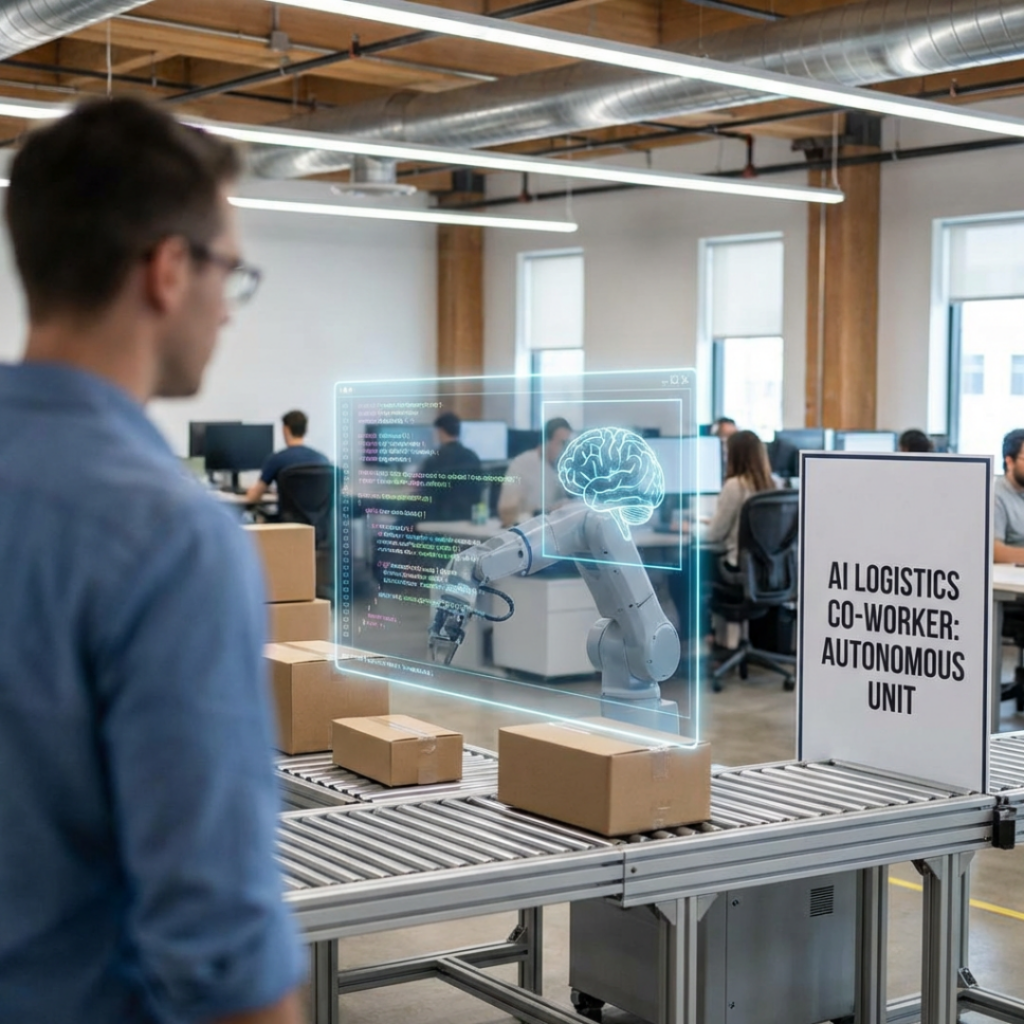
Why Connect Happy Valley is bringing this conversation to Pine Grove Hall:
We live in a college town. The future of artificial intelligence is not an abstract debate for us. It directly shapes our students, our employers, our families, and our regional economy. When AI changes how work gets done, Happy Valley feels it immediately.
The AI Mirror Test: Why Engineering Education Must Change Now or Risk Irrelevance
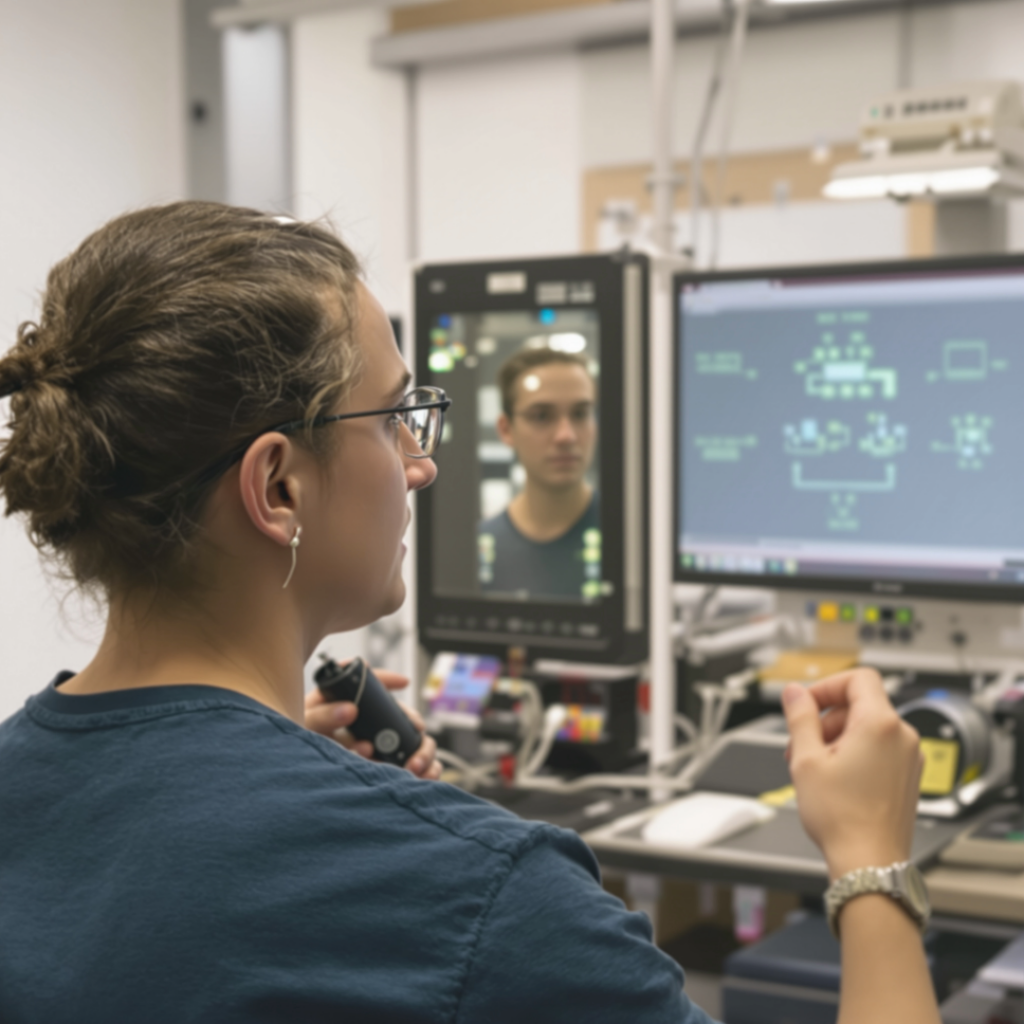
Engineering employers have repeated the same frustration for more than fifty years. New graduates struggle to communicate effectively. Despite endless revisions to writing instruction and presentation formats, the complaint remains unchanged. After decades of studying engineering communication and observing how young engineers transition into practice, I believe we have been solving the wrong problem.
Penn State at the Crossroads: The Verification Gap That Changes Everything
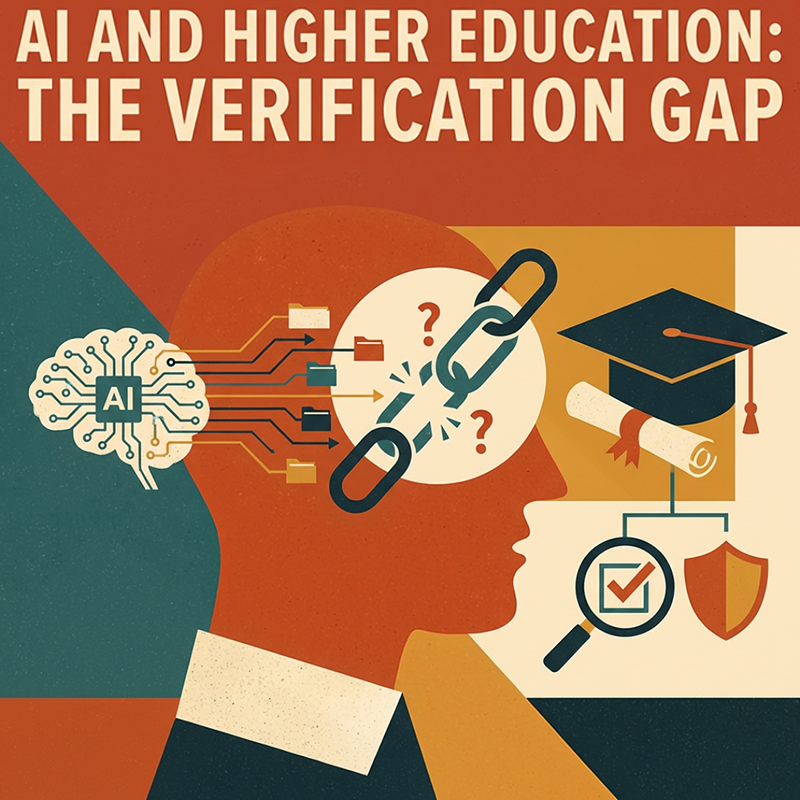
Two weeks ago, I attended the second AI informational session at Pine Grove Hall. The discussion was thoughtful—focused on policy, academic integrity, detection tools. But no one addressed the question that keeps me up at night:
What happens when Penn State graduates submit their first AI-assisted analysis to a decision-maker who asks, “How do you know this is correct?”
If the answer is “It looked good,” that graduate—and Penn State’s reputation—just failed a test we never prepared them for.
This AI Thing Is Not a Trend. It Is an Inflection Point in Human History.
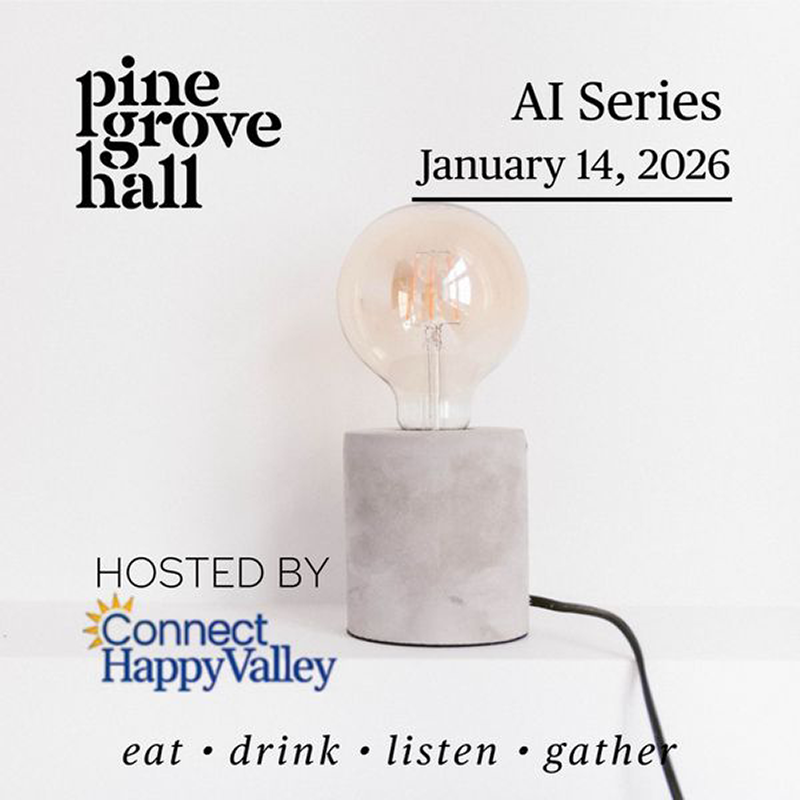
We are living through one of the rare moments when the future bends in real time.
Artificial intelligence is not just changing tools or jobs. It is changing how nations think, how economies move, how knowledge spreads, and how people relate to one another. The most enlightened voices in the world are openly sharing ideas, warnings, hopes, and possibilities because the stakes are that high.
And yet, here is the quiet truth.
Big ideas still need small rooms.